
Read This Before You Launch: Branding Blunders Most Startups Regret
In the fast-moving world of startups, there’s one mantra that echoes louder than the rest:
“Fail fast, learn faster.”
But when it comes to branding, that speed-first mindset can do more harm than good.
Because unlike your MVP, branding isn’t something you can pivot to every week.
In fact, your audience won’t remember how quickly you launched.
They’ll remember how clearly you stood out. And that’s what separates a one-time curiosity from a brand that builds a loyal community.
Branding Is Not Just Design—It’s Direction
Branding is often misunderstood. It’s not just a name or a logo or a fancy Instagram feed.
A brand is your startup’s first impression, core story, and long-term reputation—all wrapped into one identity.
Think of branding as your promise to your customers. It tells them:
- What you stand for
- Why they should trust you
- And how you’re different from every other option on the internet
Now ask yourself: is your current branding doing that?
The Branding Mistakes Most Startups Make
Speed is tempting, especially at an age where you can launch an idea over the weekend. But branding requires depth, not just hustle. Here are the most common mistakes founders make:
1. Designing Before Defining
Jumping straight into logos and packaging without understanding your audience, values, or category is like decorating a house without building the walls. You’ll get something pretty—but not lasting.
2. Choosing Aesthetic Over Strategy
A beautiful brand without substance is like a well-lit showroom with nothing to sell. Don’t fall into the trap of style over story.
3. Clever Names That Confuse
A name like “Framlr” or “Nuvuu” might sound sleek—but does it say anything about what you do? Startups often get too clever and forget clarity.
4. Rebranding Without Reason
Changing your look without a clear purpose often creates more confusion than excitement. A rebrand isn’t an outfit change—it’s a shift in story, strategy, and expectation.
Branding Failures in Action: 4 Real Stories
Let’s take a look at some recent, real-world branding missteps that show exactly what happens when brands lose direction or ignore clarity:
1. boAt: Lost in Expansion
Started as an audio brand with a strong Gen-Z vibe, boAt had a clear voice and audience. But as it expanded into smartwatches, appliances, and personal care, the brand lost its niche.
What went wrong?
It shifted from a focused lifestyle-tech brand to a cluttered product house.
Lesson: Expansion should extend your story, not dilute it. Know your core before you diversify.

2. Blinkit: Fast Delivery, Faster Confusion
Grofers’ transformation into Blinkit came with bright colors and a 10-minute delivery promise. But the rebrand lacked messaging clarity, and consumers struggled to understand why the change happened. Added to safety concerns over the rushed delivery model, trust took a hit.
Lesson: A rebrand without storytelling is just a color swap. Explain your “why” before you expect people to care.

3. Vistara + Air India: Merger with No Messaging
Two iconic Indian airlines, one major merger. But instead of a clear brand narrative, customers were left wondering: Will Vistara’s premium feel remain? What happens to the service experience?
Lesson: During transitions, customers crave clarity. Tell them what’s changing, and more importantly—what’s not.

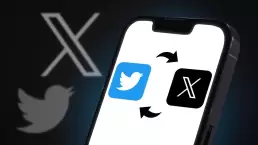
4. Twitter to X: The Identity Erasure
In a bold and abrupt move, Twitter became X. The blue bird disappeared, the word “tweet” became irrelevant, and the platform suddenly felt unfamiliar.
The result? A complete disconnect with a decade of built trust, recognition, and emotional loyalty.
Lesson: If your brand has a legacy, don’t burn it overnight. Build changes to your roadmap and take users with you.
So, what should startups do instead?
Whether you’re bootstrapped or backed by a big VC, branding needs thought, testing, and intention. Here’s your no-fluff, founder-friendly playbook:
1. Build Meaning Before You Build Design
Start with clarity: Who are you helping? What problem are you solving? What makes you different?
Once this is solid, only then move into logo, fonts, and colors.
2. Keep It Consistent Across Touchpoints
From your onboarding emails to your Instagram captions, everything should feel aligned. Consistency breeds familiarity—and familiarity builds trust.
3. Rebrand with Purpose, Not Pressure
Don’t do it just because your competitor did. Rebranding should solve a perception gap or reflect a shift in your product/vision.
4. Test With Real People
Get outside your echo chamber. Ask your audience what your name/logo/website says to them. You’ll be surprised how different it may be from what you intended.
5. Stay Honest and Transparent
Today’s consumers spot BS from a mile away. Be real. Own your flaws. Speak to humans.
Why Brand Clarity Matters More Than Ever
In a world overflowing with DMs, reels, cold emails, and product launches—the brands that thrive are the ones that cut through the noise with clarity.
Here’s what great branding helps you do:
- Stand out in a saturated market
- Build trust faster
- Drive repeat users
- Make your message stick
- Attract aligned customers (and even investors)
Final Takeaway: Launch Once, Launch Right
In 2025, startups don’t need to look big—they need to look clear.
And clarity isn’t achieved through aesthetics, but through strategy, storytelling, and consistency.
So, whether you’re still validating your idea or ready to scale, pause for a moment and ask:
- What does my brand really say?
- Would a stranger understand it in 10 seconds?
- Is it consistent across every platform?
If the answer isn’t a confident yes, you’ve got work to do.
Need Help Building a Brand That Actually Works?
At Graptive, we don’t just make brands look good— we help them make sense.
From naming and positioning to storytelling, visual identity, and digital strategy, we craft brands that are clear, confident, and built to scale.
Because in a world full of noise, your brand should feel like home to your audience.
Ready to launch, right?
TL;DR (Too Long; Do Read Anyway)
- Branding is not a sprint. It’s your startup’s long-term identity.
- Don’t copy trends. Define your own voice.
- Rebranding should come with a reason, not a redesign.
- Consistency + Clarity = Brand Power
- Want real impact? Launch with strategy, not speed.